
 It's no surprise what we eat has a significant effect on our daily lives. We have often heard the term "we are what we eat."
0 Comments
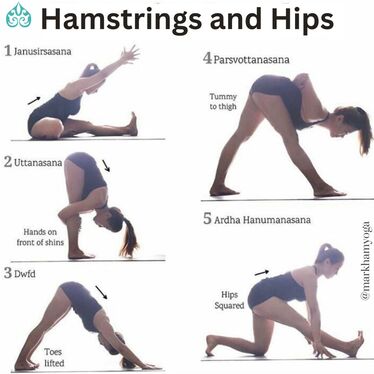 Specific yoga poses targeting the hamstrings can alleviate tightness and improve flexibility. The hamstrings are the three muscles that run along the back side of your thigh, connecting your pelvis to your knee. Many people have tight hamstrings as a result of repetitive movements or poor posture.
There are a lot of ways to end up with hamstring tightness. Sometimes it just comes down to anatomy. Regular stretching, even beginning in childhood with activities like dance and gymnastics, helps, but most people don't do enough to maintain their flexibility. 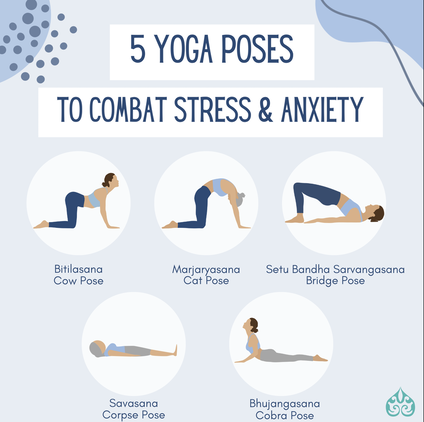 Every person has been touched by stress, and anxiety, which can visit us in many different
forms and various degrees – it surely has no boundaries. Developing your yoga practice to help combat stress and anxiety will help stimulate one’s growth and ensure focus on your self-improvement. Various yoga poses help release tension, both emotionally and physically, all the while boosting 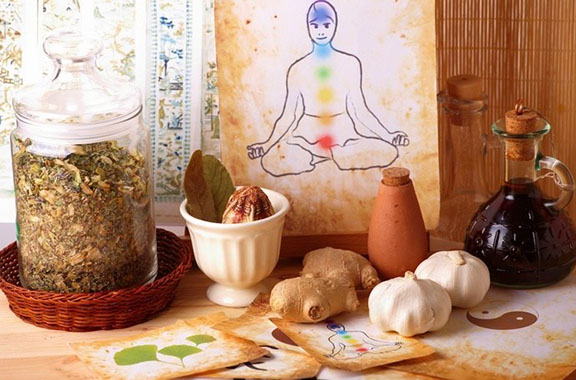 Ayurveda and Yoga: How to Practice Yoga and Balance your Dosha?
Yoga and Ayurveda are both key factors in improving our bodies physical and spiritual status. Ayurveda focuses on balancing our natural energies called doshas, by using herbal treatment, yogic breathing, and diet. Yoga awakens, and restores our physical balance, by using physical movement to create a flow of energy throughout. In combination, we can advance into a profound physical and spiritual journey. Identifying and understanding one’s unique ratio of dosha’s is crucial in helping ensure they are balanced. Our three doshas constantly fluctuate and can be different for every individual, thus making every person’s path towards health different. The Dosha’s are made up of five elements: ● Vata: Air and Space ● Pitta: Fire and Water ● Kapha: Water and Earth Once a person can identify and focus on their unique combination, then they are able to pair this with a focused yoga practice. Studying and understanding Ayurveda and Yoga together will promise an empowered and enlightened physical and spiritual journey. Vata: How to Practice Yoga Vata represents the space and air elements, which governs our ability to walk, breathe, and most importantly assist with how our bodies intake food (eliminating waste, distributing nutrition …etc.). The home for Vata is in our colon. An imbalanced Vata will result in constipation issues. Using our yoga practice to focus on stimulating the colon and finding ease in our back and pelvis area will ensure we are grounded, and relaxed.
Pitta: How to Practice Yoga Pitta represents the fire element but does have some water, as well. Pitta helps generate warmth, thus assisting with how our body digests food, encourages clarity, and reduces inflammation. The home for Pitta is in our small intestine. Introducing calming poses will help calm their intensity, and ensure they release tension.
Kapha: How to Practice Yoga Kapha represents the earth and water elements. The home for Kapha is in the stomach and chest. It is in the mucus lubricating our joints, and organs, providing us with sustainability and enlightenment. Balancing kapha promotes harmony and warmth, however, when imbalanced can produce a tendency to be close-minded, physically lazy which could result in excess weight gain. Steering our yoga practice to alignment-based is very beneficial to assist with balancing kapha. Making sure one builds their practice slowly and gradually to avoid sudden high-intensity workouts is key.
Learn more about your dosha type in our Ayruveda Workshops this year. November25th, 2022 December 3rd, 2022 February5th, 2023 Email us to inquire. 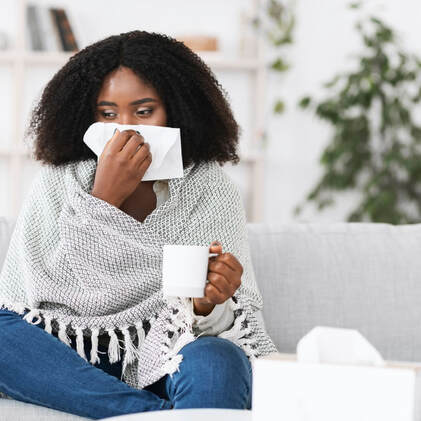 It’s that time of year again, and most people are waking up to a stuffy nose, or an irritating
scratch. You might think to grab that cup of tea once you feel the discomfort but introducing certain teas can help keep those cold bugs away. Pure teas are loaded with tons of immune-boosting antioxidants and nutrients. Herbal teas are known for their ingredients, which can include a blend of different spices, herbs, fruits, and various plants. 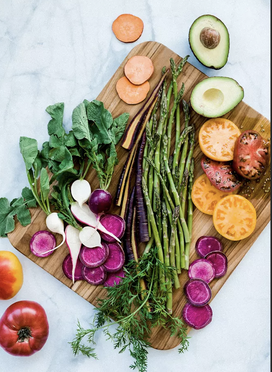 Our society is built on convenience, and one thing we take for granted is how we eat. It’s much easier to open a can or run to the local fast-food place to get a meal, especially if you are constantly on the go. Often, we balance this off by picking up a colourful fruit or vibrant fresh looking veggie to toss into our bhudda bowls or as a side. Did you know that those 'fresh' produce items can often be worse than a tin can of pineapples? (ok, maybe not, but has it's share of pesticides!
One thing is for sure, what we eat certainly has an impact on our body’s performance – physically and mentally. 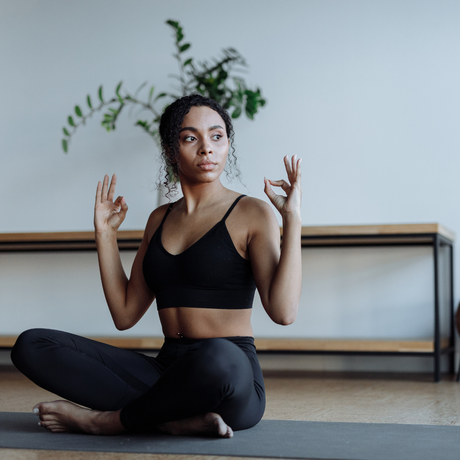 Have you ever felt your back hurting, and not sure why? Lots of factors can contribute to
reoccurring back pain. One that we tend to overlook is wearing the wrong size bra. Lack of breast support can lead to lots of different issues, mainly back pain, but others can include breast sagging, breast and shoulder pain, and breast skin damage – also known as stretch marks. 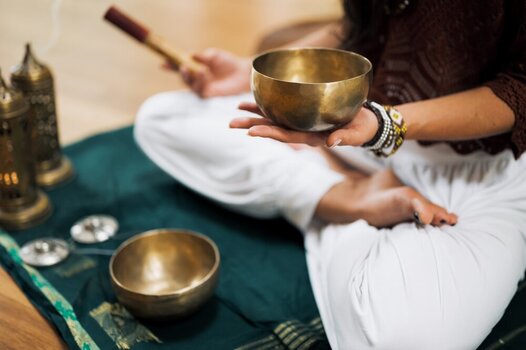 The Western world shared yoga with a modern approach that has made this artful movement so popular in the last decade. We’ve become accustomed to this style not realizing how diluted the practice has become as it made it's way to North America.
If you are attending Yoga at fitness gym or heated studio, there's a chance it's not 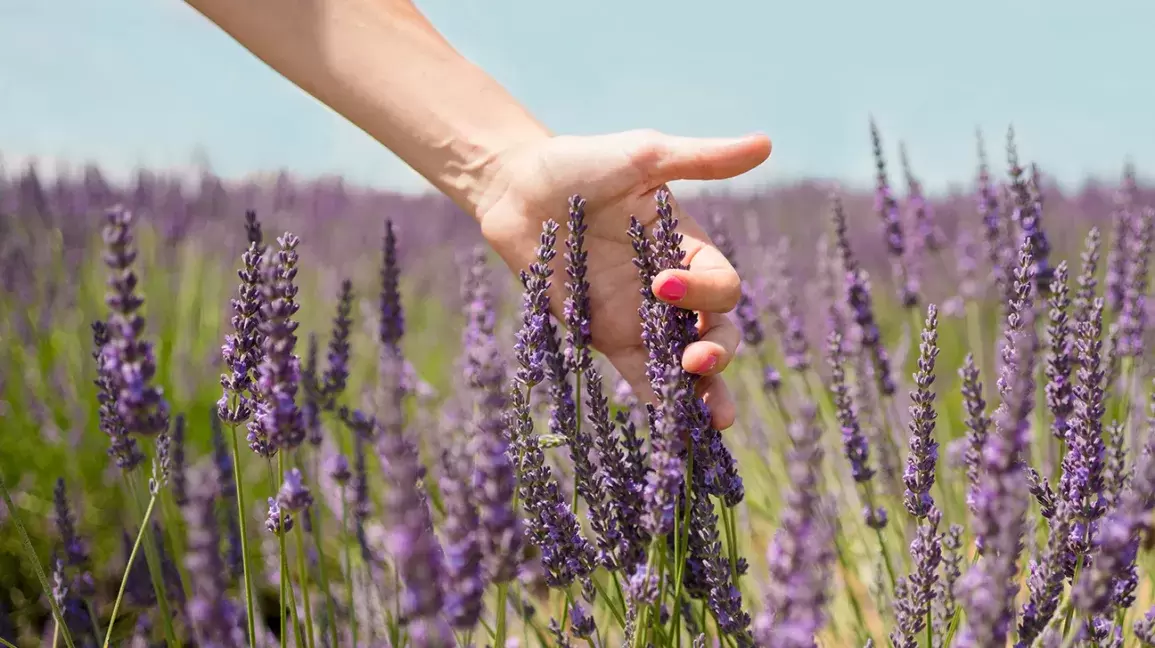 What is that sweet, floral scent I smell early in the morning? Ah, yes, it’s the beautiful lavender
plants near my front porch. Every morning, I close my eyes and transport myself to a beautiful field filled with lavender – it’s a nice quick trip and helps me start off my day perfectly. It’s a great addition to your garden, with endless benefits, and most importantly, low in 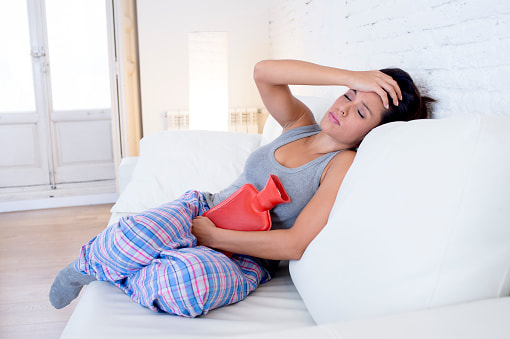 That time of the month is here, and those painful menstrual cramps follow. Some experience mild pain, though others are desperate to find a solution to ease their discomfort. There are lots of ways to ease your pain, help you gain control and make sure you get back to your busy life. Finding the right balance and combination for your body will
|
Archives
June 2024
Categories |
 RSS Feed